
A Comprehensive Guide to Runtime AI Defense
As agentic AI reshapes enterprise security, runtime AI defense demands visibility into inputs, outputs, tool use, data access, and agent actions during operation to help secure AI applications and agents.
Agentic AI Introduces Risk Inside Trusted Workflows
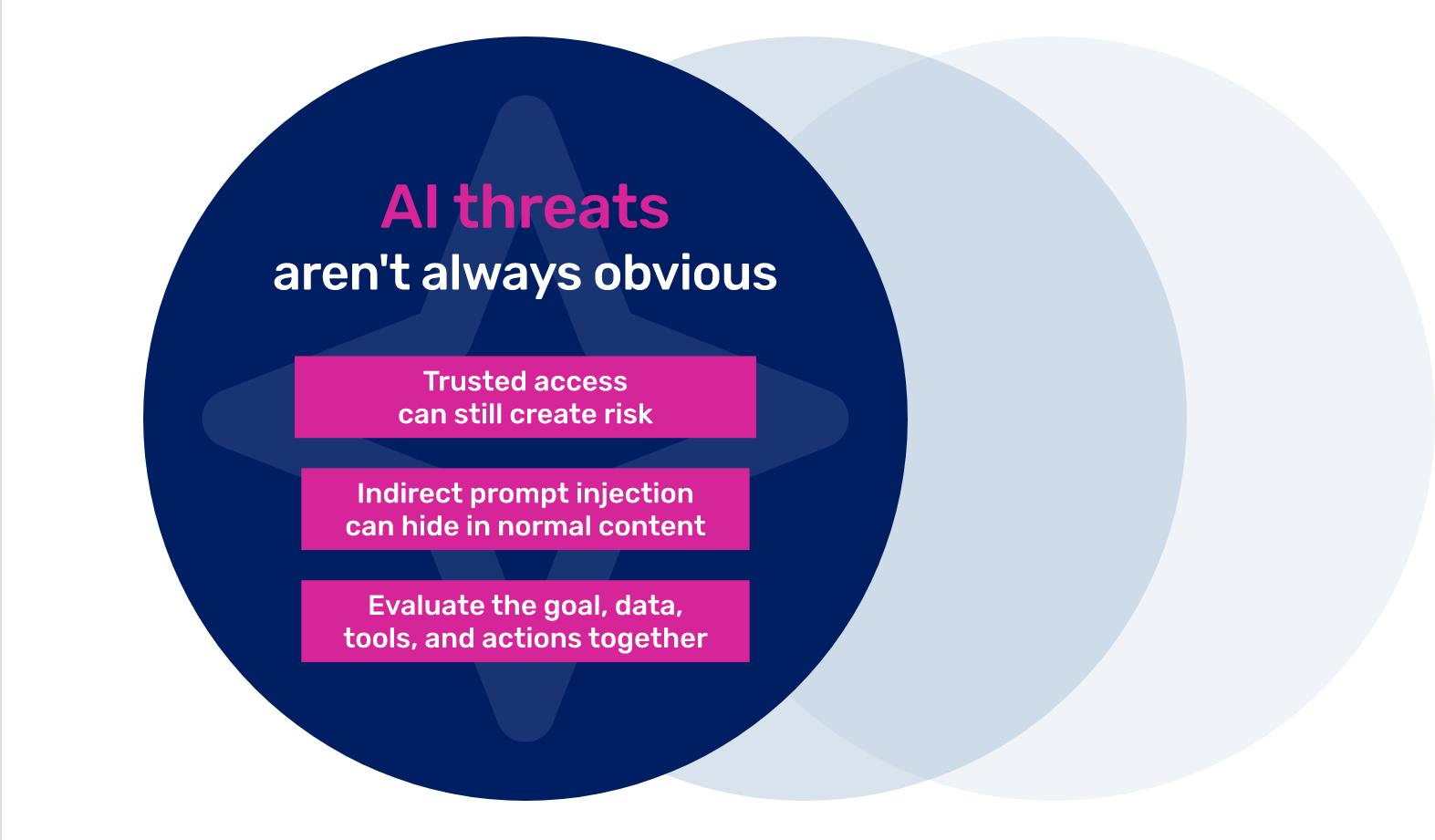
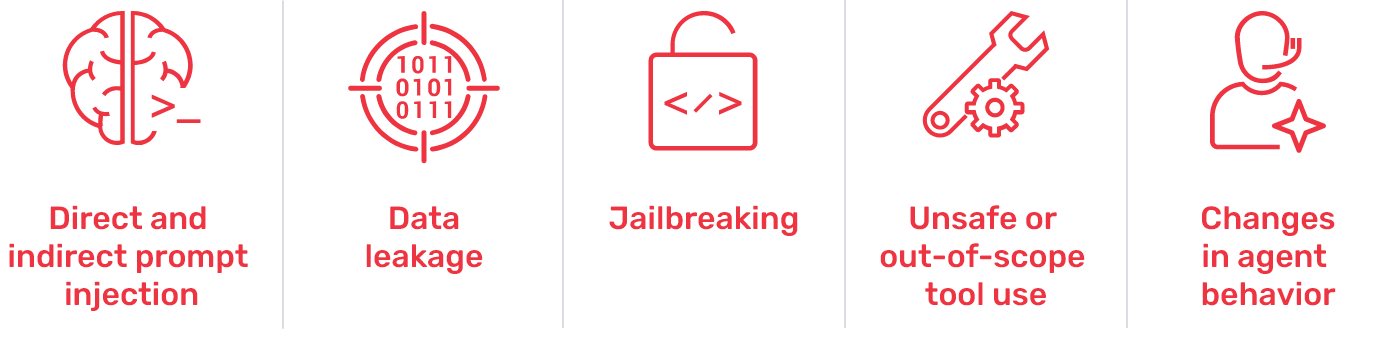
AI agents are moving from experimentation into production, with access to tools, data, APIs, and enterprise systems. This creates a new security problem: an agent can stay within its permissions and still take an unsafe action if prompt injection, exposed data, or unexpected tool use changes what it does during operation.
This field guide explains how runtime AI defense helps security teams see what agents are doing, detect risky behavior as it happens, and enforce policy.
Testing and Logs are Not Enough
for Runtime AI Defense
Red teaming can uncover weaknesses before deployment, and logs can show what happened after the fact. Runtime AI defense closes the gap between those points in time by monitoring inputs, outputs, and agent actions while AI applications run, so unsafe behavior can be detected and addressed before it finishes executing.

A Practical Starting Point for Runtime AI Defense
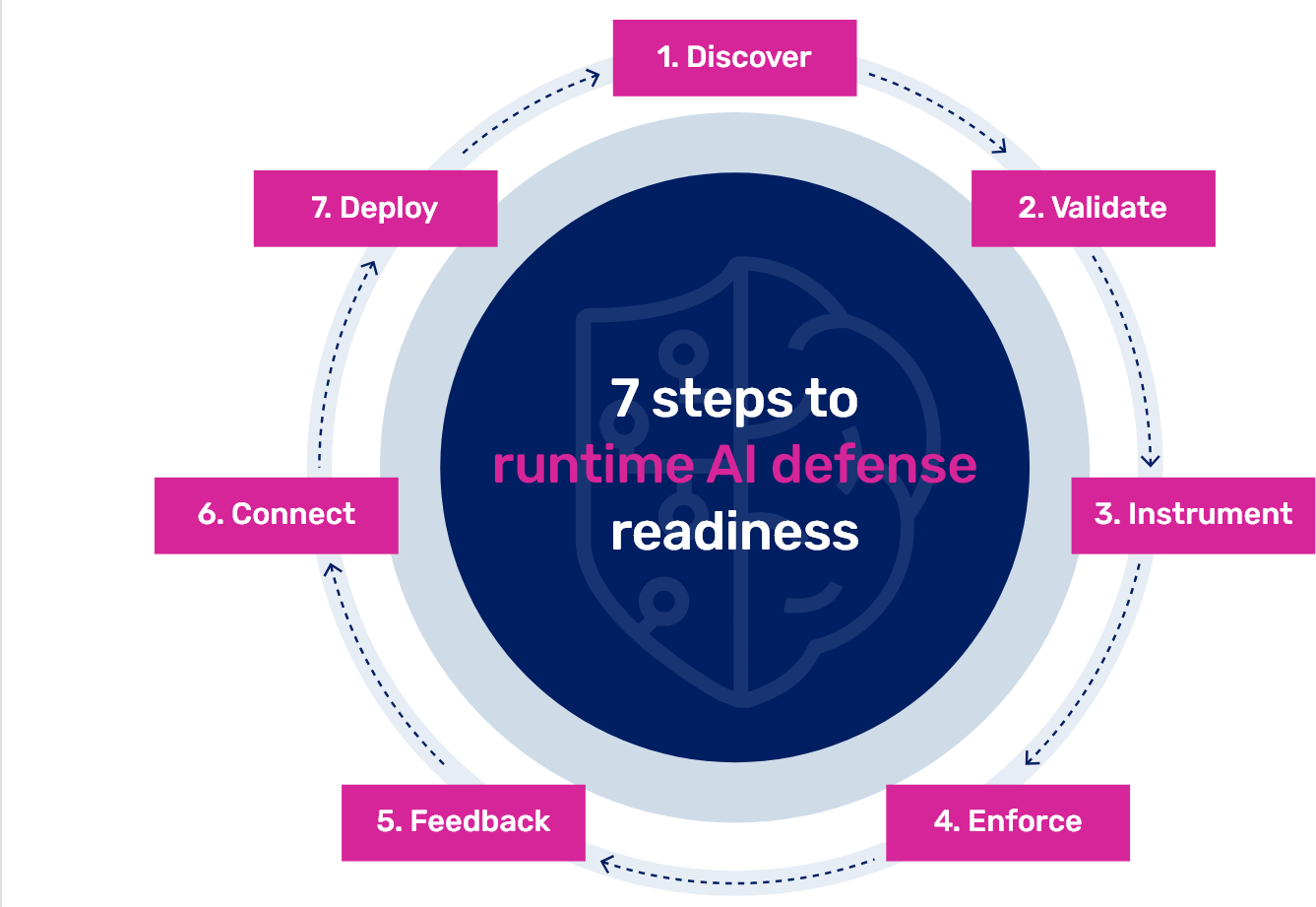
Runtime AI defense does not replace the security infrastructure already in place. Read the guide to get seven practical steps security teams can use as a starting point for building runtime protection around the AI agents, tools, data, and workflows already operating in their environment.
Get the full story in our free guide
Learn How to Secure Agentic AI from Testing to Runtime